An Easy-Care Rose (Knock Out) and a Motivational Tip for a Memorable Life


Knock Out® Roses, the easy-care roses hybridized by Wisconsin-born William J. (Bill) Radler, won the All-American Rose Selection (AARS) award in 2000. The Knock Out® Rose, Radler’s first commercial success, has broken all records for sales of a new rose. Today, the Knock Out® Rose is the most widely sold rose in North America.

The Knock Out® Family of Roses is highly disease-resistant roses, easy to grow and bloom repeatedly and profusely from spring until frost with healthy foliage that does not need the chemical spray program. Blooms are fire engine red in cool weather and cherry red in the summer months. The foliage is dark green and leathery with a burgundy hue. They are low-maintenance roses with a bloom cycle of about every 5-6 weeks and continue until the first hard frost. All of the Knock Out® Roses are self-cleaning, so there is no need to deadhead. If unpruned, The Knock Out® Family of Roses can easily grow more than 3-4’ wide x 3-4’ tall in two years. A once-a-year pruning (to about 12” above the ground) in early spring (after the last hard frost) is also recommended for maximum performance. The Knock Out® Family of Roses is winter hardy to USDA Zone 5 and heat tolerant throughout the entire U.S. They thrive in almost every area of the country.

The Knock Out® Family of Roses can fit into any landscape. Plant them individually among shrubs, annuals, and perennials in mixed beds and borders, in large groups to create a colorful hedge or along a foundation to provide a bright border.

The Conard-Pyle Co./Star® Roses is the proud distributor of all members of The Knock Out® Family of Roses. Bill Radler was the 2008 recipient of the Great Rosarians Award for hybridizing disease-resistant roses, particularly the Knock Out® family of roses. He has been leading the way to develop new disease-resistant roses for American gardeners. Bill Radler has revolutionized the way we think of roses. With the creation of The Knock Out® Rose, many say he single-handedly brought rose genetics from the 20th Century into the 21st Century.

Tip of the day: Focus your mind and find joy in the present. Our life is made up of moments. Moments that, if you fail to appreciate, will simply pass you by. You’ll miss the beauty of living in the here and now. And once gone, you can’t live them again. Create the most pleasing experiences by immersing yourself in each moment, and you will, in time, create some incredibly epic memories!


A Rose (Pristine) and a Motivational Tip for the Day


Name of Rose – Pristine

Class – Hybrid Tea

Hybridizer – Warriner

Date of introduction – 1977

Registration Name – JACpico

Parentage – ‘White Masterpiece’ x ‘First Prize’

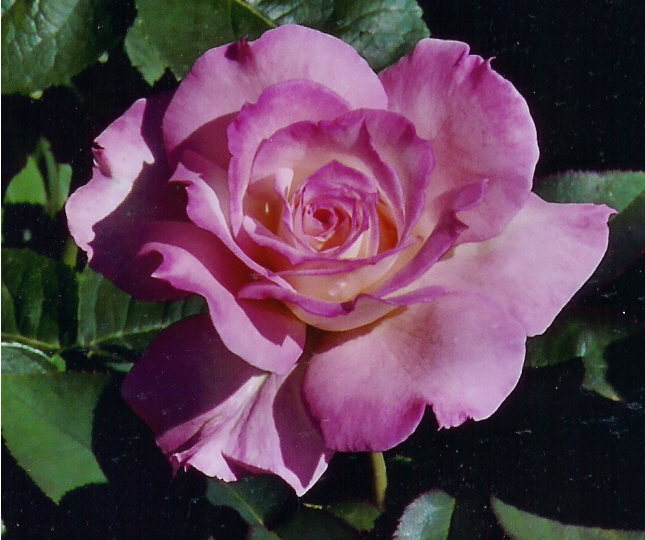
‘Pristine’ has the delicate look of porcelain, you’ll be tempted to feel the petals to see if it is real. The bloom is high-centered, double (30-35 petals), large – six inches across and somewhat ruffled. Most often, it comes singly on a long, thick stem although quite thorny, with large, dark green glossy leaves. It is a very vigorous plant and very disease resistant. It can be used for cut flower or for garden display. It has gathered enough trophies to be a favorite among exhibitors.

The tapered bud opened white to creamy petals blushed with light to medium pink on the edge of the petals and displaying orange-yellow stamens in the center. Fragrance is light. Habit is quite tall and spreading, from 4 to 7 ft. tall and 3 to 6 ft. wide. It tends to spread its canes sideways so prune it to inward-facing buds to discourage sprawling. It blooms continuously throughout the season. The best location for this rose is in the back of the border. Good companion plants are pink flowered plants and some blue stately delphiniums. For regions with harsh winter, it requires winter protection.

Tip of the Day – Keep your desk and work area neat and clean.

Until next time. Stop and Smell the Roses

Rosalinda

A Rose (Constance Spry) and a Tip for a Happy, Healthy and Successful Living

Constance Spry

Constance Spry, introduced in 1961, is one of the first English Roses hybridized by David Austin and its success contributed to the founding of the English Roses. David Austin Roses is a flower arranger’s dream. They can be used to make wonderful floral arrangements either on their own or with other plant materials. With its voluptuous blossoms and dainty habit, you can duplicate the beauty and charm of an Old Dutch floral painting. 


Constance Spry Climber by DARPhoto Credit – David Austin Roses


Constance Spry can grow to a height of 6-12 ft. with a width of 6-8 ft. or 10 to 18 ft. as a climber. Bloom size is 3” with a petal count of 80+. It has a lovely pink color and very fragrant. The only drawback is it only flowers once in the spring but it blooms profusely.

Constance Spry by Flower Magazine
Photo Credit – Flower Magazine

Who is Constance Spry?

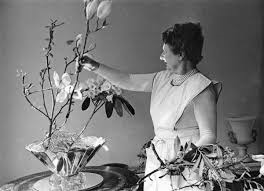
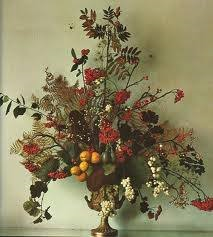
Constance Spry is the mother of modern floral design. She would have loved to use David Austin Roses for her floral arrangements. After World War 1, she changed the formal, rigid composition of floral design with unconventional pastoral compositions; flowers arranged asymmetrically with assorted shapes of foliage in various types of containers. She used all kinds of wildflowers, grasses, pods or practically anything the Victorian ladies shunned. Her style was full of drama and a refreshing reprieve from the more staid, stiff floral design of her contemporaries.

Constance Spry PinterestPhoto Credit – Pinterest

Connie, as she was known to her friends, was born in Derby, England, in 1886 and raised in Ireland. She found refuge from her domineering mother in the gardens of her childhood, where she began to take note of what would become her favorites: old garden roses, lilac, mock orange, laurel, buddleia, and evening primrose, as well as grasses, weeds, and other typically overlooked plants and materials.

Though flowers and gardening would be her lifelong passions, under her father’s direction she began her early professional life as an educator and social reformer. Traveling by horse-drawn wagon through the Irish countryside, she became a proponent of healthy living, educating housewives on the benefits of fresh air and nutritious food as part of a “War on Consumption” campaign. After a disappointing marriage to a coal mine manager, she took her only son back to England to begin life anew. It was there she met and fell in love with Shav Spry, a colonial civil servant who would be her lifelong companion.

It wasn’t until the age of 41, that Spry’s amateur talents as a floral designer were noticed by an influential lunch companion, leading her to Norman Wilkinson, a theater designer whose encouragement would launch her meteoric design career. With a commission to do flowers for cinemas and a perfume shop, Spry took her unorthodox visions of gathered materials and artful references out of the homes of friends and into the public eye, where she was praised for displays that in an incredibly modern twist included leaves, berries, seed pods, wild clematis, and golden hops mixed with exotic orchids. Her fate was sealed.

Suddenly this middle-aged woman found herself thrust into the social scene, befriending legendary decorator and fellow entrepreneur Syrie Maugham and an exuberant crowd of theatrical personalities and social luminaries. She became the florist of choice to London high society organizing the flowers for royal weddings. She designed the flowers for the Queen’s wedding and Coronation. Her books on flower arranging made her a household name.

Constance Spry Cookery Book by antique-atlas.com
Photo Credit – Antiques-Atlas.com


Besides being an influential floral artist, Constance Spry is the founder of the Cordon Bleu cooking school and an author of a bestselling cookbook bearing her name.


Tip of the Day – Turn your passions and interests into a career.


Until next time. Stop and smell the roses.

Rosalinda