
Class: Shrub
Date of Introduction: 1991
Hybridizer: David Austin
Parentage: [(‘Chaucer’ x ‘Conrad Ferdinand Meyer) x Graham Thomas]
Registration Name: AUSbells
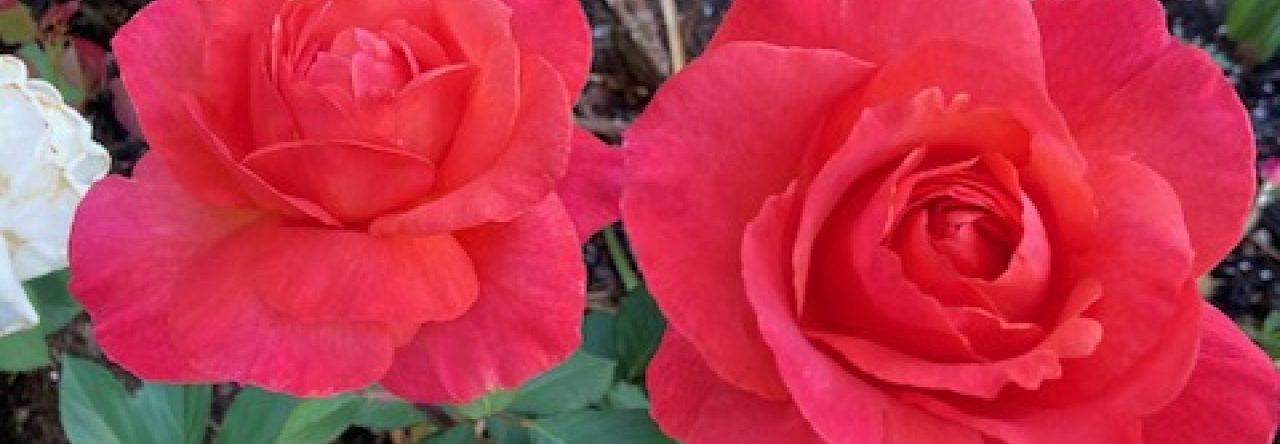
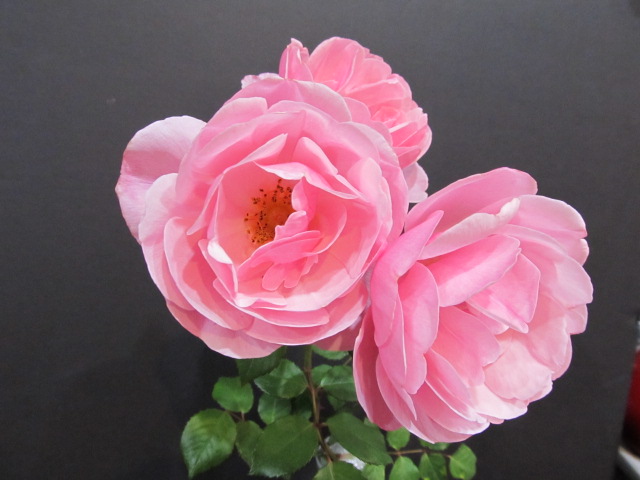
In my garden, I am always surprised that in spite of the weather, heat or cold, some roses did remarkably well when most of the others were stressed out. One of them that’s a survivor is ‘Bow Bells’, a great David Austin Rose. ‘Bow Bells’ has a rich deep-pink high -centered blooms with 15 to 25 petals and about 2.75” in diameter that are produced in clusters. The blooms stand out well against the dark green foliage. It will even grow in the semi-shade area of your garden. If you want constant color and easy care rose in the garden, this rose is a good candidate. ‘Bow Bells’ is not an exhibition rose but a very good garden rose that’s superbly healthy and blooms non-stop even in the heat of the summer.
I had one in New York in a semi-shaded spot and it bloomed constantly. In August when every rose in my garden took a breather, this rose was still blooming its head off. In Charleston, I planted one on its own root and it grew up to six feet tall in its first year. I cut it back after each flush of blooms otherwise it gets too tall. It can grow to 8’ tall by 4’ wide. While ‘Scentimental’ which grows next to it was completely defoliated during the summer, ‘Bow Bells’ green foliage is intact, no blackspot. I don’t spray and have only used one application of Bayers All-In-One for the season.
Few roses will thrive in partly shaded sections of the garden. ‘Gruss an Aachen’ a floribunda and ‘Bow Bells’, a David Austin Rose will do quite well in dappled shade. ‘Bow Bells continuously blooms in the shade. When some of my roses take a break in the summer, my two Bow Bells are still blooming their hearts out.
Tip of the day – Become the most positive and enthusiastic person you know.

 Stop and Smell the Roses - Stay Healthy and Stress Free