A Rose (Brigadoon) and a Tip for Healthy Living

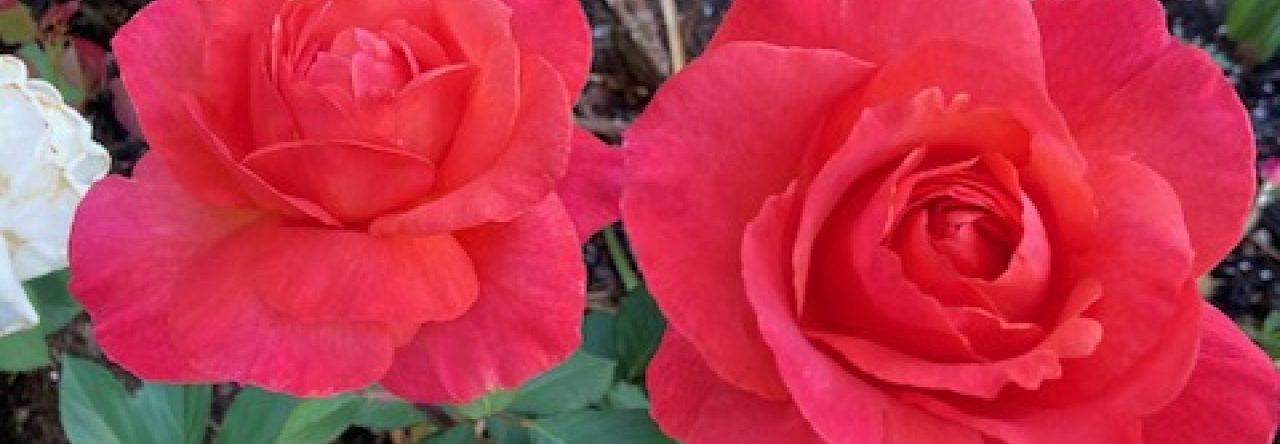
Early stage of bloom
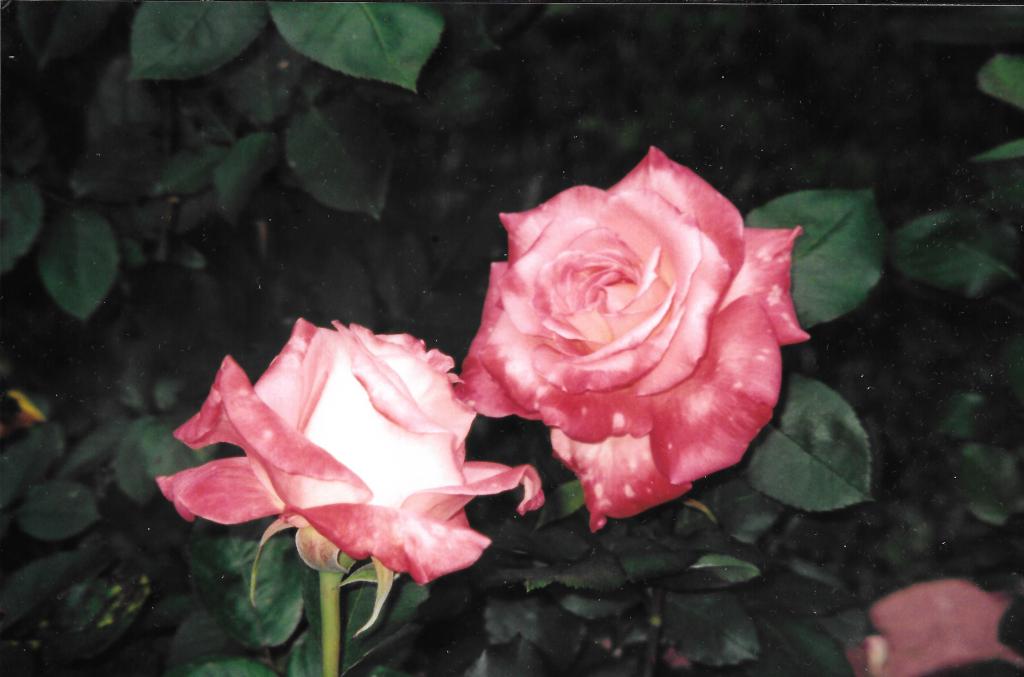
Later Stage of Bloom

Class: Hybrid Tea

Year of introduction – 1992

Registration Name – JACpal

Parentage: Unnamed Seedling x Pristine

Hybridizer: William A. Warriner (United States, 1991)

Introduced in the United States by Jackson & Perkins Co.

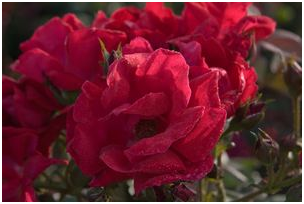
This winner of the All America Rose Selection award in 1992 is categorized as a pink blend, a description that says nothing about its real color, a creamy blush spreading from the center into deep pink coral. At times, it looks like coral-orange with cream reverse. It’s wonderful seeing it changes color as it opens from bud to bloom.

Brigadoon has moderate, spicy, fragrant blooms produced one to a stem, and are best up to the halfway stage where the bud is perfection itself. As the flower opens, it holds its shape but does tend to drop the immediate central petals – something that will only bother an exhibitor. As a flower for decoration, it is a real eye-catcher. The bush is vigorous, upright, medium-tall, about 3’ and 28” wide, and well-branched with semi-glossy deep green, dense, leathery foliage that can be pretty large in cooler climates. The long, pointed, ovoid buds unfurl to double (35-40 petals), large (5” across) to high-centered, reflexed bloom form, and blooms in flushes.

Brigadoon can be grown in USDA zone 6b and warmer and used for beds and borders, as cut flower or container rose. For spring pruning, remove old canes and dead or diseased wood and cut back canes that cross. In warmer climates, cut back the remaining canes by about one-third. In colder areas, you’ll probably find you’ll have to prune a little more than that. It requires spring freeze protection but can be grown in the ground or in a container. In a container, it requires winter protection.

Tip of the day: Eat lunch outside – When sunlight hits the body, production of the neurotransmitter serotonin increases, which can make you feel happier, more alert, and more energized. (Be sure to wear your sunscreen!)
Stop and Smell the Roses

Start the New Year’s with a simple inspirational quote – Stop and smell the roses.

Feeling stressed out? Stop and smell the roses and 100 other tips in a new motivational book will help you get inspired to make positive changes in your lives to make you happy, healthy and successful in 2019. In a frenetic world we live in, we find ourselves overwhelmed, overworked and stressed out. Isn’t it time to change our bad habits? Most of our health problems are due to our unhealthy lifestyle. Studies show that stressful living causes health problems.

Inspire yourself into a healthy lifestyle! Stop and Smell the Roses!

Do you know that roses have curative powers? In the olden days, roses were used to make all sorts of medicinal potions to cure maladies and drive away bad spirits. A bouquet of roses uplifts the spirits any day of the year. Even a single rose in a room will liven it up on dreary days. When we are in distress, a rose will cheer us up. At this time of the year when our own garden roses are not available, get something which is more permanent.

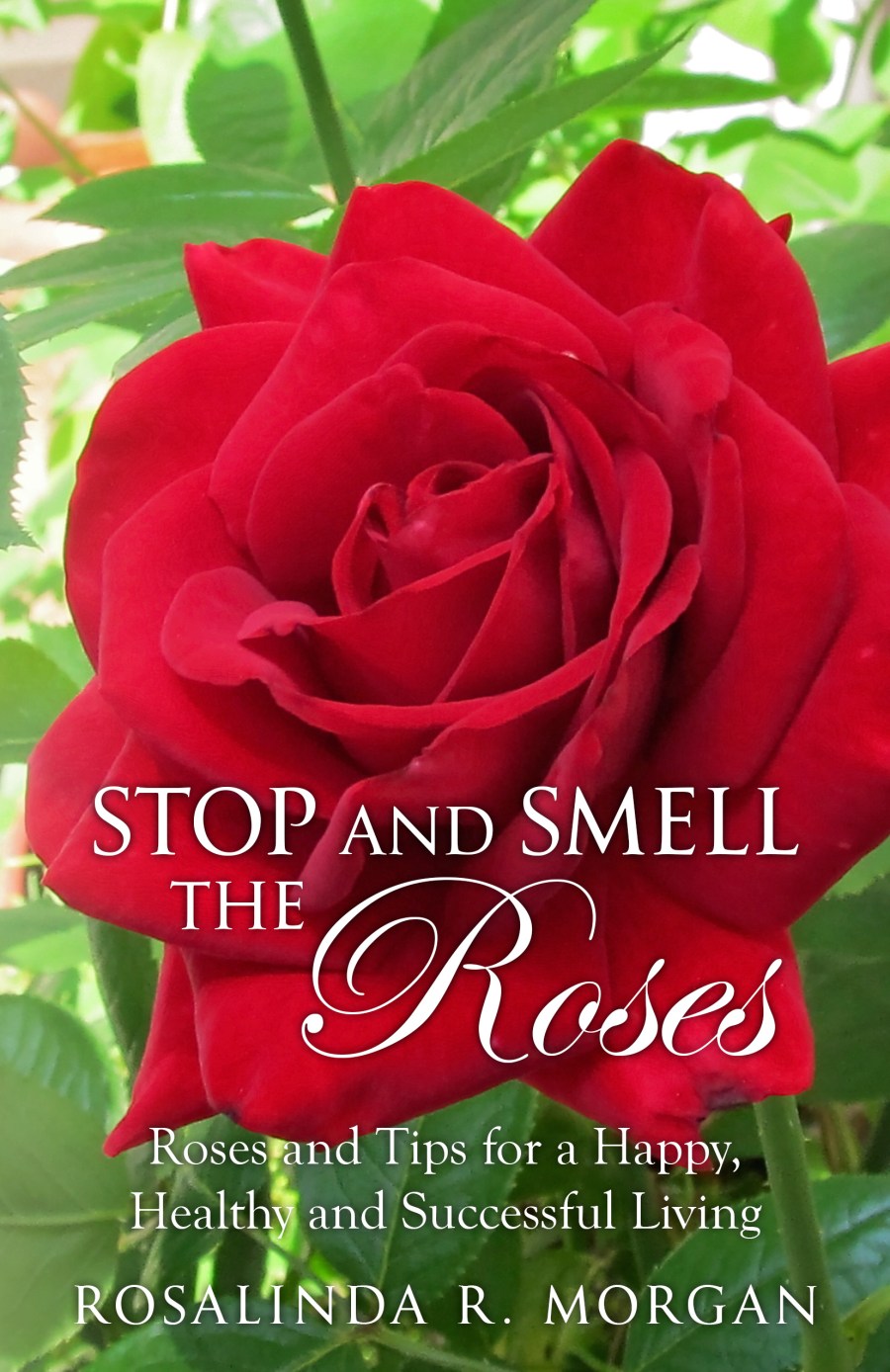
“Stop and Smell the Roses”, a motivational book includes some of the roses I grow in my garden. There are 33 beautiful roses featured in the book in full color. If you are unable to visit a rose garden, this is the next best thing. In addition to the rose gallery, there are simple tips for stress-free living. It is a book worth having near you at all times. 

So take a peek at the roses I grow in my garden. Inhale, take a break and stop and smell the roses.  

Get your copy today. Available online in paperback and Kindle at Amazon and hard copy at Barnes and Noble.

Until next time. Stop and smell the roses.

Rosalinda Morgan

A Rose (Winner’s Circle) and a Tip for a Successful Living

Winners Circle by Conard Pyle
Winner’s Circle by Conard Pyle 

Class: Climber

Date of Introduction: 1997

Hybridizer: William Radler

Registration Name: RADwin

Parentage: RADliv x RADkoswe


Conard Pyle, the introducer of Knock Out Roses also introduced the climbing rose collection of William Radler, the hybridizer of the Knock Out Family of roses. Just like the Knock Out Roses, the climbing roses are also disease resistant. One of these climbing roses is Winner’s Circle™.

This new climber from the breeder of ‘Knock Out’ is sure to become a favorite. Winner’s Circle™ is a bright red climber and can reach a height up to 12 ft. with 4 ft. wide spread. Its blooms average 3.75”, fire-engine red but no fragrance. They are non-fading and can take the heat. It is winter hardy to zone 5. Winner’s Circle™ is floriferous, a vigorous climber with semi-glossy, dark green foliage. Disease resistance is excellent. In the fall the foliage turns deep burgundy red and the plants is covered with bright orange hips.


Tip of the day:  Aim high and hit the mark.

Until next time. Stop and smell the roses.


Rosalinda Morgan


Rosey things to do in September and October


twilight Zone.png

Warm, sunny days and cool nights make our roses bloom larger and more brilliantly colored. However, we still have to do our part to make it happen.

The summer heat typically continues into the month of September in the Charleston area. Up north where I came from, the temperature usually cools off after Labor Day weekend. Regardless of where you are, to prepare your roses for the coming winter, if rain does not come, you have to supplement the rain. Your roses will need daily watering in order to avoid stress. Water deeply, often and well. If you plan to exhibit or showcase your roses in any of the fall rose shows, you have to water daily as this will increase the substance of your blooms. Deep watering is needed, or the little feeder roots on the plant will grow toward the surface seeking moisture. Well-hydrated roses fare better during the winter months.

To get your roses growing for the fall flush, a variety of fertilizers can be used. Granular fertilizers, if used, should be discontinued after early Sept. A balanced water-soluble fertilizer should be applied every two weeks through the end of September. Fish emulsion can be used along with the water-soluble fertilizer. After the initial growth spurt, the roses will benefit from the reduction of nitrogen with the use of a bloom booster formulation, one with the high middle number to get larger blooms of intense color. Discontinue fertilizers from October through mid-March.

The fall “pruning” is better described as a cutback because the bushes are not taken down as far as the spring pruning. The growth should be reduced by ¼ to 1/3 depending on whether it is a very large established bush or a new bush planted in the previous spring. Do remove any spindly stems, blind eye clusters and dead stems or canes. The cutback should be done in late Aug. or early Sept. for gorgeous fall blooms. It will take about 6 weeks for the large roses to recycle and between four to five weeks for minis and minifloras.

Continue the spray program through the entire fall to keep leaves free of disease. Choices of spray material should include a systemic and a contact material used together. The systemic should be alternated. In order to treat blackspot, spray every other day for three or four times and then go back to your regular spray program. If insects become a problem, a spray program will need to be initiated for control. Premixed Bayer Advanced Garden Rose and Insect Killer is an excellent choice for control of aphids, leafhoppers, scale and thrip.

Continue to cut roses for bouquets through the end of October. Some growers prefer to let rose hips form by removing only the petals of spent roses. This signal the plants that the dormant season is coming. The plants sense this as the days become cooler and shorter.

Fall is a good time to test your soil in order to be sure that your soil pH has not been changed in a negative way before winter and its challenges to your roses begins. Directions for testing: Take samples from several spots in the garden using clean plastic shovel and bucket. Combine the samples, mixing well. Send a sandwich bag of the composite sample to your extension agent’s office. Be sure to tell them that the test is for roses and request recommendations with your test.

Start thinking about new roses for the coming year. Check the rose catalogs and order your roses now to get the best selection.

Prepare your Christmas wish list. For the special person on your Christmas wish list who loves roses, give that special person “Stop and Smell the Roses”, a beautiful book full of roses in full color, over 80 photos with 101 motivational tips for a happy and healthy lifestyle. You can order the hard copy at Barnes and Noble. Paperback and Kindle are available at Amazon. Order “Stop and Smell the Roses” today.

Until next time. Stop and smell the roses.

Rosalinda

How to grow beautiful roses

cropped-img_1570.jpg

Following the basic rose culture, you’ll be on your way to have beautiful roses in your garden:

  • Buy only strong healthy plants. Buy your roses from reliable sources.
  • Rose needs a minimum of 4 hours of sunlight, lots of drainage and away from tree roots.
  • Before you start planting, do a soil test. The ideal pH for roses is 6.0 – 6.5.
  • Dig a hole at least 18” deep and 18” in diameter. Mix soil 1/3 organic matter (peat moss) with 2/3 soil from the hole. Put a handful of Epsom salt, a banana peel and a handful of superphospate in the hole.
  • Space rose bushes at least 3 ft apart for good air circulation for hybrid teas and floribundas. English roses and other shrub roses should be spaced at least 4 ft apart.
  • Roses need about 1” to 1 ½” of water a week so water more often during the hot spell in the summer. If rain is lacking, water twice a week. Reduce watering in the fall but do not let your rose bushes enter winter under stressful condition.
  • Mulch is important since it keeps out weeds, conserves moisture and protects the roots from fluctuations in temperature.
  • Rose is a heavy feeder. Use plenty of organic fertilizer. Supplement with chemical fertilizer. Six weeks before the first fall frost, stop the fertilization program.
  • Deadhead as soon as the bloom is finished.
  • Pruning controls the size and shape and keeps the roses blooming all season long.
  • Spray horticultural oil in late winter thru to late spring to keep blackspot in check.
  • Keep the rose beds clean to discourage diseases and insects.
  • To get immediate answers to rose questions, join the Facebook group, Rose Gardening World, which I created on Oct. 18, 2011 and has grown to 5,500 members and counting where members share their rose photos and help each other with rose problems.


Until Next Time. Stop and Smell the Roses.

Rosalinda